Rustam Nazarov
Lead Expedition Guide
12 September 2025
8 min read
The M41 is not a road. It is a test.
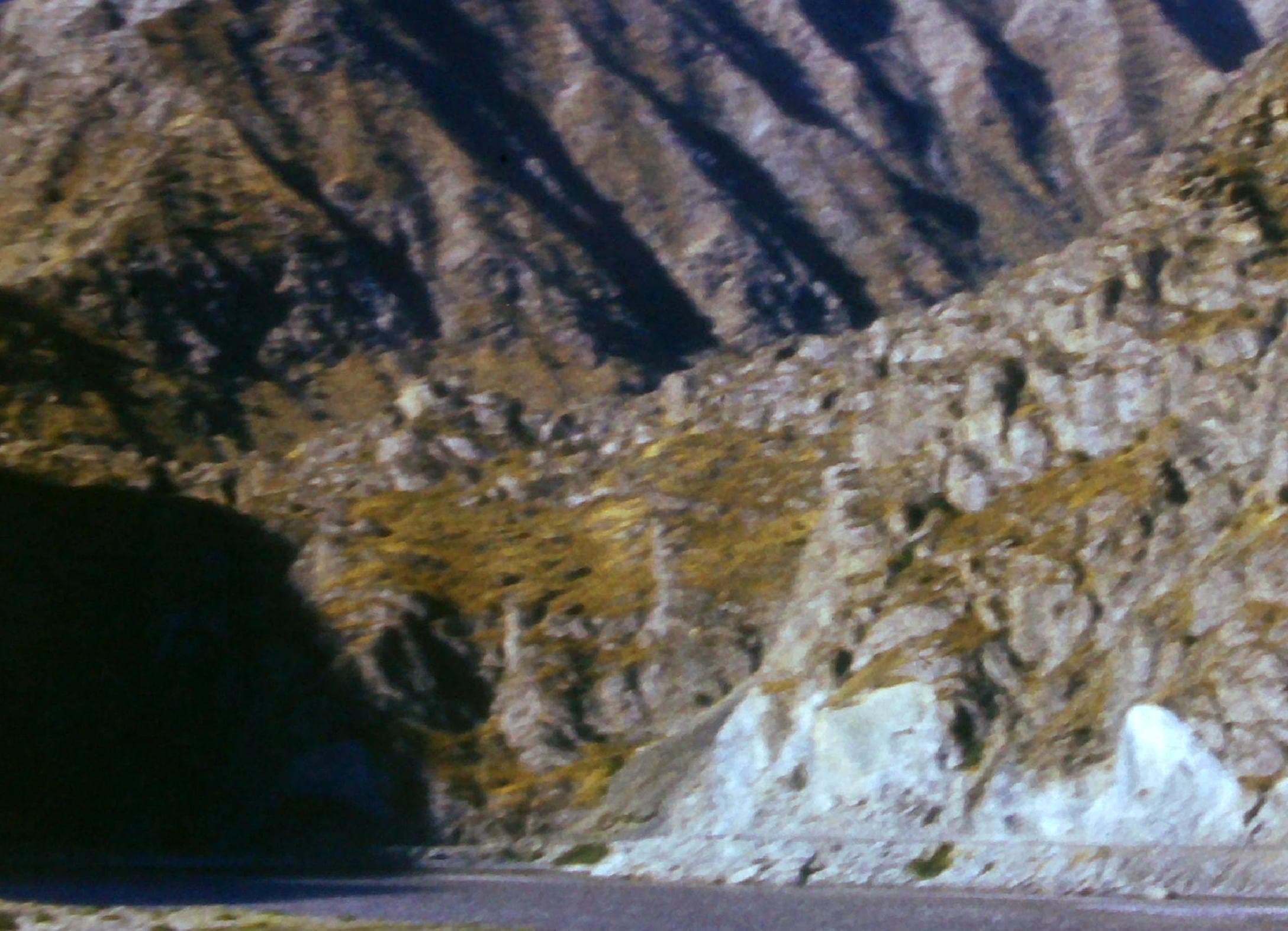
The Pamir Highway — officially the M41 — runs 2,038 kilometres from Osh in Kyrgyzstan to Herat in Afghanistan, passing through some of the most remote and elevated terrain on Earth. The Tajik section alone covers over 700 kilometres. Most of it is unpaved.
What the guidebooks do not tell you
The altitude is the first thing that catches people off guard. Not just the Ak-Baital Pass at 4,655m, but the sustained elevation — you spend days at above 3,500 metres. Altitude sickness is not dramatic. It creeps. A headache that feels like dehydration. A tiredness that feels like jet lag. The mistake is pushing through.
We stop early. We sleep at 3,800m before attempting the high passes. Two nights of acclimatisation changes everything.
The road itself
Calling it a road is generous. The Tajik section varies from reasonable gravel to boulder fields that require a specific line and a driver who knows the difference. We use 4x4 Land Cruisers — not because they look impressive, but because the alternative is being stranded at 4,200 metres with a blown tyre and no mobile signal.
Tyre changes happen. We carry three spares. We have never needed more than two in a single trip.
The people
The Pamiri people are Ismaili Muslims — followers of the Aga Khan — and among the most hospitable people I have encountered anywhere in the world. When we stop in Alichur, in Murghab, in the tiny villages along the Wakhan Corridor, families invite us in without hesitation. Tea. Bread. Dried apricots. Questions about where we are from.
This access — sleeping in homes, eating at tables — cannot be arranged in advance. It happens because we have been travelling this road for ten years and the people know us.
What to bring
Layers. The temperature swings from 30°C in the Wakhan Valley to below freezing overnight at altitude, sometimes in the same day. A good down jacket is not optional.
Cash. Murghab has one ATM and it is often empty. Bring more US dollars than you think you need.
A book. The evenings in the Pamirs are quiet in a way that cities have made most people forget. Use them.
When to go
May is cold but uncrowded. July and August are the golden months — warm enough to camp, passes reliably open, wildflowers on every hillside. September is our personal favourite: fewer travellers, golden light, the sense that the mountains are settling in for winter.
October is for the experienced. Some passes close. The cold is serious. The rewards — snow on the peaks, almost complete solitude — are unlike anything else.